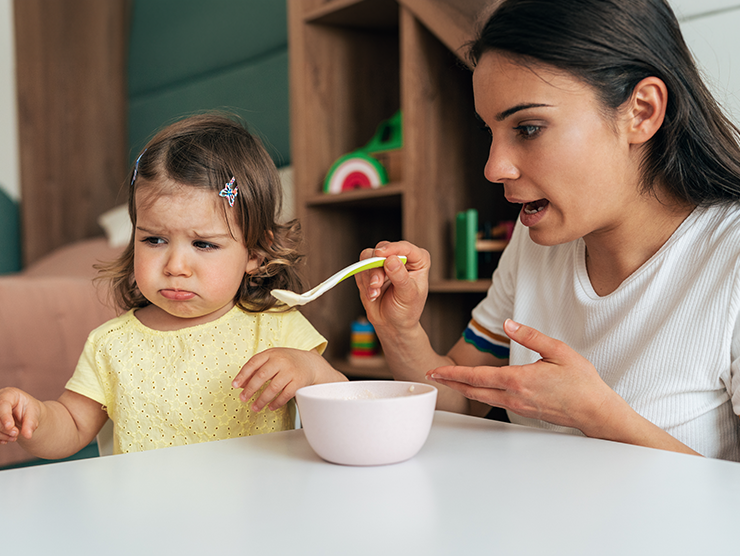
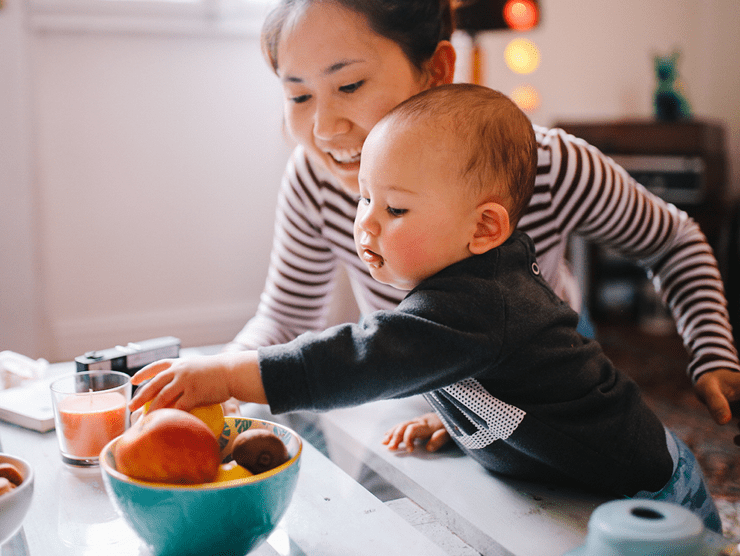
Helping children develop a healthy relationship with food starts with making meals feel safe, predictable, and low pressure. Instead of focusing on a clean plate, the goal is to help children listen to their bodies, stay curious about new foods, and feel confident at the table.
That can sound like a big responsibility, but it does not require perfection. A few consistent shifts in language, routine, and expectations can help children build eating habits that support both their development and emotional wellbeing.
How do I help my child have a healthy relationship with food?
A healthy relationship with food for kids begins with trust. Children need structure from adults, but they also need room to notice hunger, fullness, preferences, and curiosity at their own pace.
A helpful approach is to focus less on control and more on connection. That means:
- Using neutral, non-judgmental language around food
- Honoring hunger and fullness cues rather than override them
- Creating positive mealtime experiences that go beyond nutrition
- Introducing new foods gradually and without pressure
- Setting clear food boundaries while preserving a child's sense of autonomy
How children learn to relate to food in their early years influences their relationship with their bodies for life.
Does the language we use around food affect children?
Yes. Children absorb not just what we say, but how we say it. Using words like "bad food," reacting with visible disgust, or making offhand comments about eating "too much" can introduce food shame before a child has a chance to form a healthy relationship with food.
Calling a child a "picky eater" can turn a temporary developmental phase into a fixed identity they feel they cannot change.
Food neutrality for kids means presenting food without a moral charge. No food is a villain, and no meal should be a reward or punishment. Instead, try language that feels curious and calm:
- Instead of saying, “Yuck, I’d never eat that”. Try, “I haven’t tried that before, let’s see what it tastes like.”
- Instead of saying, “You’re such a picky eater”. Try, “You might like it when you’re ready.”
- Instead of saying, “Clean your plate or no dessert”. Try, “Your body will tell you when it’s full.”
Adult modeling matters enormously here. Children watch how the grown-ups around them talk about food, their bodies, and eating — and they take those cues to heart.
How do I teach my child to listen to their hunger and fullness cues?
Teaching kids to listen to their body is one of the most powerful things a parent can do. Hunger and fullness cues are natural signals children are born with — but they can get drowned out when adults consistently override them.
For example, the classic "clean your plate" rule is well-intentioned, but it can teach children to keep eating even when they feel full. Over time, that can make meals feel more like a power struggle than a time for nourishment and connection.
Here are some things to try:
- Acknowledge fullness. “I see your body’s telling you that it’s full. We’ll save this and you can come back to it later.”
- If your child says they’re done, but returns for a snack 20 minutes later, offer to reheat what was on their plate rather than defaulting to filler foods.
- Keep a predictable meal schedule so your child arrives at the table genuinely hungry, making them more naturally open to what’s being served.
Respecting hunger and fullness cues is one of the most direct ways to support a healthy relationship with food.
Why do family meals matter for children?
Shared mealtimes create a culture of warmth and ease around food. When children associate eating with connection, laughter, and conversation rather than conflict and pressure, they're far more likely to approach the table with openness.
Family meals don't have to look one specific way. Busy evenings, different schedules, and varied cultural traditions all shape how families eat together — dinner isn't the only option. Breakfast together can be just as meaningful. What matters is the ritual of coming together, the low-stakes shared experience, and the modeling of relaxed, positive attitudes toward food.
Eating in transit — in the car, between activities, screens in hand — can quietly contribute to a more stressful relationship with food. It doesn't mean meals on the go can never happen, but building in even a few slower, intentional shared meals a week makes a real difference.
How do I talk to my child about nutrition without creating food shame?
Framing food in terms of "bad" versus "good" introduces food shame, while high-pressure messaging about eating creates anxiety rather than healthy habits.
Try saying:
- “This has vitamins that help your body grow stronger.”
- “We eat all kinds of foods. Some give us quick energy, and some keep us full for a long time.”
- “Let’s try one new thing this week and see what we think.”
When children feel emotionally safe around food — without shame or pressure — they're more likely to build a healthy relationship with food and eat a varied, nourishing diet over time.
Adults should also reflect on what they model. Expressing anxiety about "being bad" for eating something, avoiding entire food groups with visible stress, or commenting on weight and body size in front of children shapes how they relate to food — even when those comments aren't directed at them.
Watch: Jennifer Anderson, founder and CEO of Kids Eat in Color, shares practical strategies for talking to children about nutrition.
What is repeated exposure to new foods, and does it work?
"Repeated exposure" doesn't have to mean eating. Smelling a new food, seeing it regularly on the table, touching it, or watching a sibling or parent eat it all count as meaningful contact.
A child pushing broccoli to the side of their plate isn't refusing it, they’re in the process of getting familiar with it.
Practical strategies for trying new foods with children include:
- Keep offering without pressure. Put the food on the table consistently, without making it a focus.
- Be transparent. Hiding vegetables in muffins might work once, but children often sense deception and it can erode mealtime trust.
- Try new foods outside of mealtime. A no-pressure taste test of four different fruits or letting each family member pick one new food from the grocery store each week, removes the hunger and fatigue that make mealtimes a harder moment for experimentation.
- Use gentle, open-ended language. Show patience and confidence by letting your child take the lead when they’re ready.
Just like adults, children are allowed to have genuine preferences. After consistent exposure over time, it's okay to let some foods go.
How do I set food boundaries for kids while preserving their autonomy?
Food boundaries for kids work best when they offer structure within a framework of choice. Children feel safer when they know what to expect, but they also need some control over their own bodies.
A helpful way to think about it is this: adults decide what food is offered, when meals and snacks happen, and where eating takes place. Children decide whether to eat and how much to eat from what is offered.
Here are some practical ways to support that balance:
- Offer limited, meaningful choices. For example, "We're having chicken and vegetables tonight. Do you want your carrots on the side or mixed in?"
- Involve children in planning. Let them help decide which night their favorite meal is served, or pick one item at the grocery store.
- Use a visual meal plan. A simple weekly menu removes nightly negotiation and helps children feel prepared. If your child can't read yet, add pictures.
- Stay consistent without turning meals into a battle. “This is what we’re having tonight. You can decide what you’d like to eat from what’s on the table.”
Boundaries set this way build trust. When children feel that their preferences are respected within a clear structure, they stay more curious and open-minded at the table.
How does Bright Horizons support a healthy relationship with food?
One of the most surprising things parents discover when their child enters an early education program is that kids often try and enjoy foods at school that they'd never touch at home.
Our teachers play a meaningful role in supporting healthy eating habits through:
- Neutral food language: educators present food without judgment or pressure, modeling curiosity rather than aversion
- Child-centered meals: children serve themselves from shared dishes, which builds autonomy and mirrors the positive mealtime experience families strive for at home
- Repeated exposure through daily routines: children see the same foods offered consistently over time, in a relaxed environment, which builds willingness to try
- Peer influence: watching other children eat something new is one of the most powerful motivators for trying it themselves
- Predictable daycare meals and snacks: structured mealtimes teach children to expect eating at certain times, supporting healthy hunger and fullness regulation
The routines, language, and community children experience in early education directly shape how they think and feel about food.
At Bright Horizons, nutrition and healthy habits are woven into everyday classroom life — because the habits children build in their earliest years stay with them for life. Raising kids who feel confident and curious around food starts with the right environment where exploration is encouraged, language is thoughtful, and routines are consistent.
Looking for an early education environment where healthy routines are part of every day? Find a Bright Horizons center near you to see how our teachers support children’s confidence, independence, and wellbeing, from classroom to the table.
Note: Picky eating is extremely common and often a developmentally normal part of toddlerhood and early childhood. Children are asserting independence, testing limits, and learning what they like — all of which can show up at the table.
But if you have a gut feeling that your child's challenges go beyond the typical phase, trust it. Consult your pediatrician when something feels off.
FAQ: Helping children build a healthy relationship with food
Is picky eating normal?
Yes, picky eating is often a normal part of toddlerhood and early childhood. Children are learning preferences, asserting independence, and testing boundaries. If you are concerned about your child’s growth, nutrition, mealtime anxiety, or eating patterns, your pediatrician is the right first call.
Should I make my child clean their plate?
It is better to help children notice their own hunger and fullness cues. Instead of requiring a clean plate, offer a predictable meal routine and let your child decide how much to eat from what is available.
How many times should I offer a new food?
Children often need repeated, low-pressure exposure before they are ready to try or accept a new food. Seeing, smelling, touching, or helping prepare a food can all be part of the learning process.
What should I say instead of “good food” or “bad food”?
Try neutral, body-focused language. For example: “This helps your body grow,” “This gives you energy,” or “Different foods help our bodies in different ways.”
How can child care support healthy eating habits?
A high-quality early education environment can support healthy eating through predictable routines, family-style meals, neutral language, repeated exposure, and positive peer modeling.