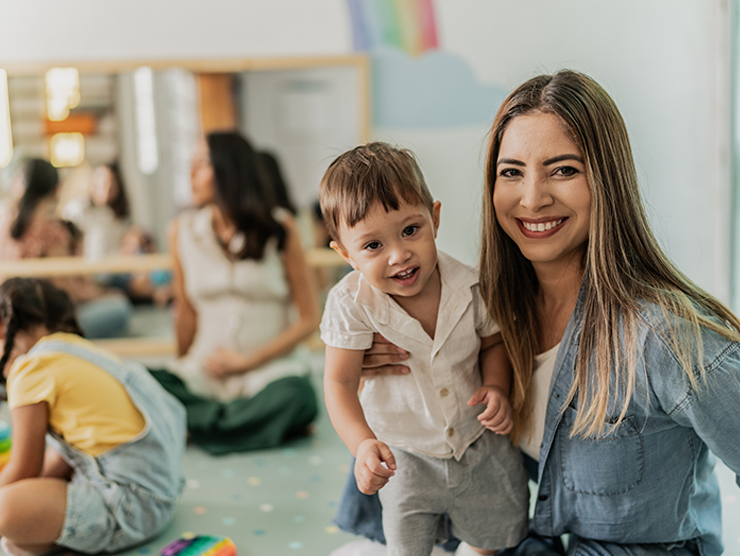
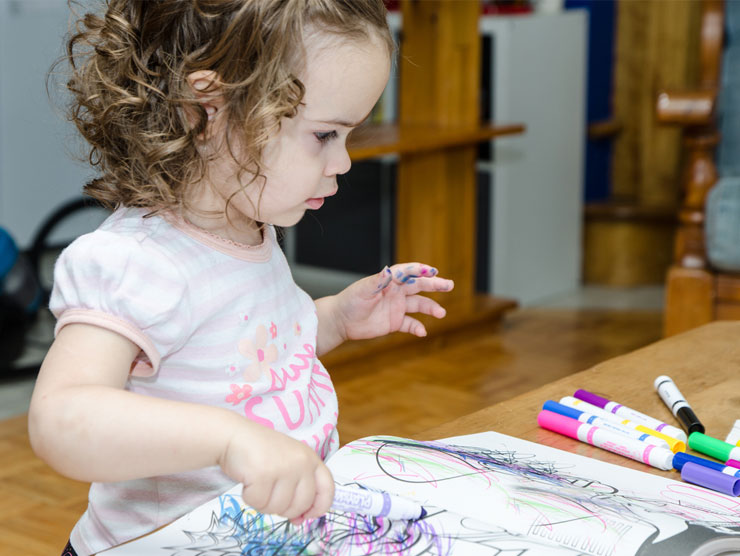
At Bright Horizons, we recognize that you play an important role in your child’s care and education. Strong parent-teacher communication helps create a supportive foundation for learning and development.
We believe that:
- Families are a child’s first and most important teachers. Family-child interactions shape early education and development.
- Families are experts on their own child. While educators understand child development, you know your child best.
- Families have different parenting styles. We respect each family’s values, cultures, and beliefs and strive to create a sense of belonging where every family is valued.
This guide offers practical strategies for strengthening parent-teacher communication, building positive relationships, supporting classroom learning, and making the most of parent-teacher conferences.
Why are positive parent-teacher relationships important
Children thrive when families and teachers work together toward shared goals. Strong parent-teacher communication and relationships can improve both your child’s learning experience and your confidence in their education.
Taking a proactive approach to communication can make a meaningful difference.
Consider the following:
- Establish effective communication. Teachers may use a mix of phone calls, digital updates, and brief conversations during pick-up or drop-off.
Try to connect regularly and share relevant updates about your child, such as schedule or behavioral changes. Don’t hesitate to ask questions or express concerns. Building a respectful, open relationship early sets the foundation for effective parent-teacher communication.
Tip: If you need more time, request a scheduled conversation. Teachers are focused on students during the day, so setting aside time outside drop-off and pick-up allows for more thoughtful discussions. - Develop mutual understanding. Strong family‑teacher relationships are built on mutual respect, shared goals, joint decision-making, and collaboration.
Occasional disagreements over some aspects of your child’s care may arise. If they do, work together to understand each other’s perspectives, find common ground, and create a plan moving forward. - Show appreciation. Teachers are dedicated to supporting children’s growth and creating positive learning environments. A simple thank you, thoughtful note, or drawing from your child can go a long way in strengthening your partnership.
How to support your child's classroom learning
Research shows family involvement plays a key role in student success. Every family’s involvement may look different, but small actions can make a big impact.
Here are a few ways to stay engaged:
- Read with your child regularly
- Stay informed about classroom learning and activities
- Understand classroom schedules, expectations, and routines
- Volunteer when possible or share your skills
- Attend school events such as class celebrations, or open house events
How to have effective parent-teacher communication during conferences
Family-teacher conferences are a key part of family-teacher communication, giving families and teachers the opportunity to connect, share observations, celebrate milestones, and discuss progress, concerns, and future goals.
To get the most out of these meetings:
- Come prepared. Maintain consistent communication throughout the year so you already have positive rapport established. Let the teacher know in advance if there are specific things you want to focus on.
- Focus on collaboration. Ask questions, listen carefully, and compare insights from home and school.
- Create goals together. Partner on next steps for your child’s growth and development.
Additional resources on family-teacher partnerships:
- Explore a whole list of questions to ask your child’s teacher.
- Learn about what sets Bright Horizons teachers apart and how they aim to create a classroom environment where everyone feels welcomed and cared for.

.ashx?as=1)