


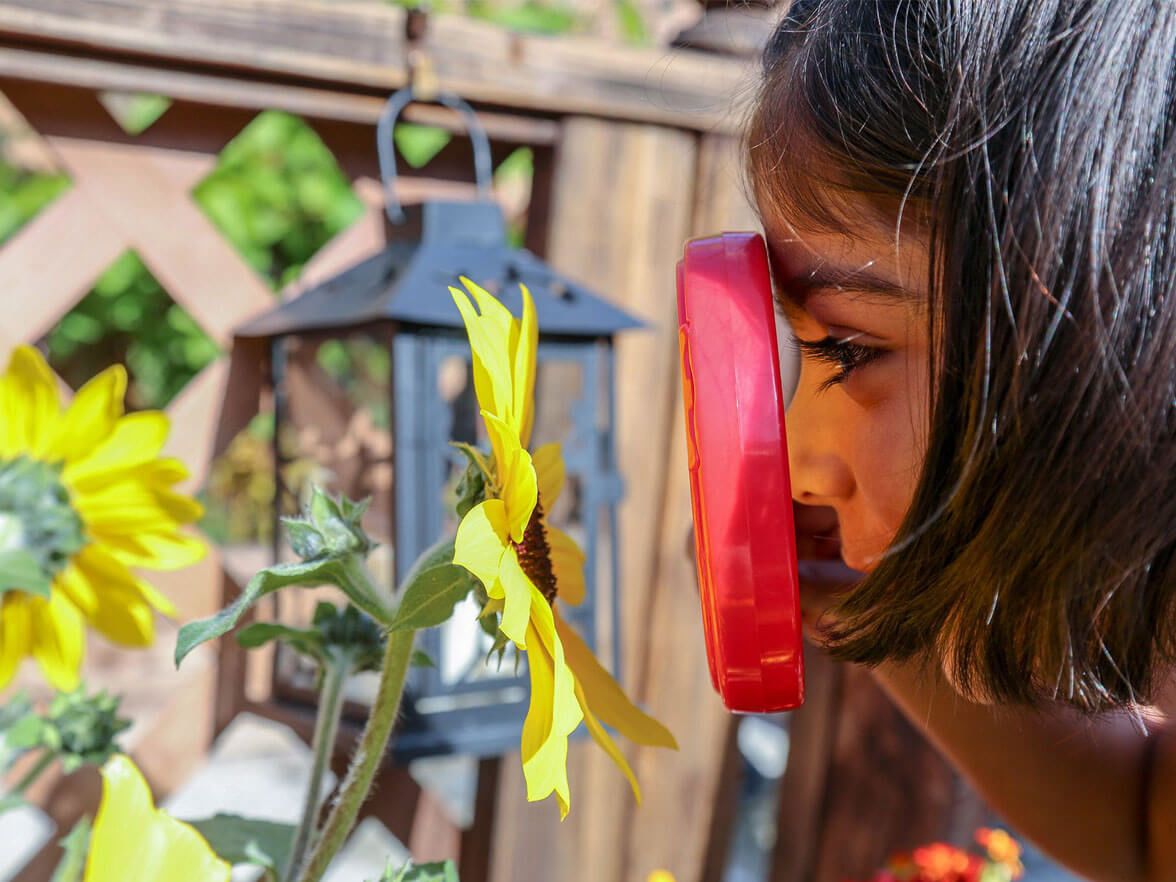
At Bright Horizons, our Discovery Driven Learning® approach makes early learning an adventure. Visit us to find out how we nurture your child’s natural curiosity, focus on what interests them most, encourage learning through play, and help them get ready for school success.
Welcome to UCSF at Mission Bay Child Development Center
-
Center Hours: 6:30 AM - 6:00 PM. Mon to Fri
-
727 Nelson Rising Lane, San Francisco, CA, 94143
-
628-895-0088
-
Our center is NAEYC Accredited


Meet Our Center Director
Tuition Assistance
Funding options available at this center
Child Care Aware of America
Military Child Care partnership
Classrooms that Inspire Learning

Our Early Education Programs Offer More Than Daycare
For ages 1 month - 5 years
Health, Safety, and Wellness at Our Center
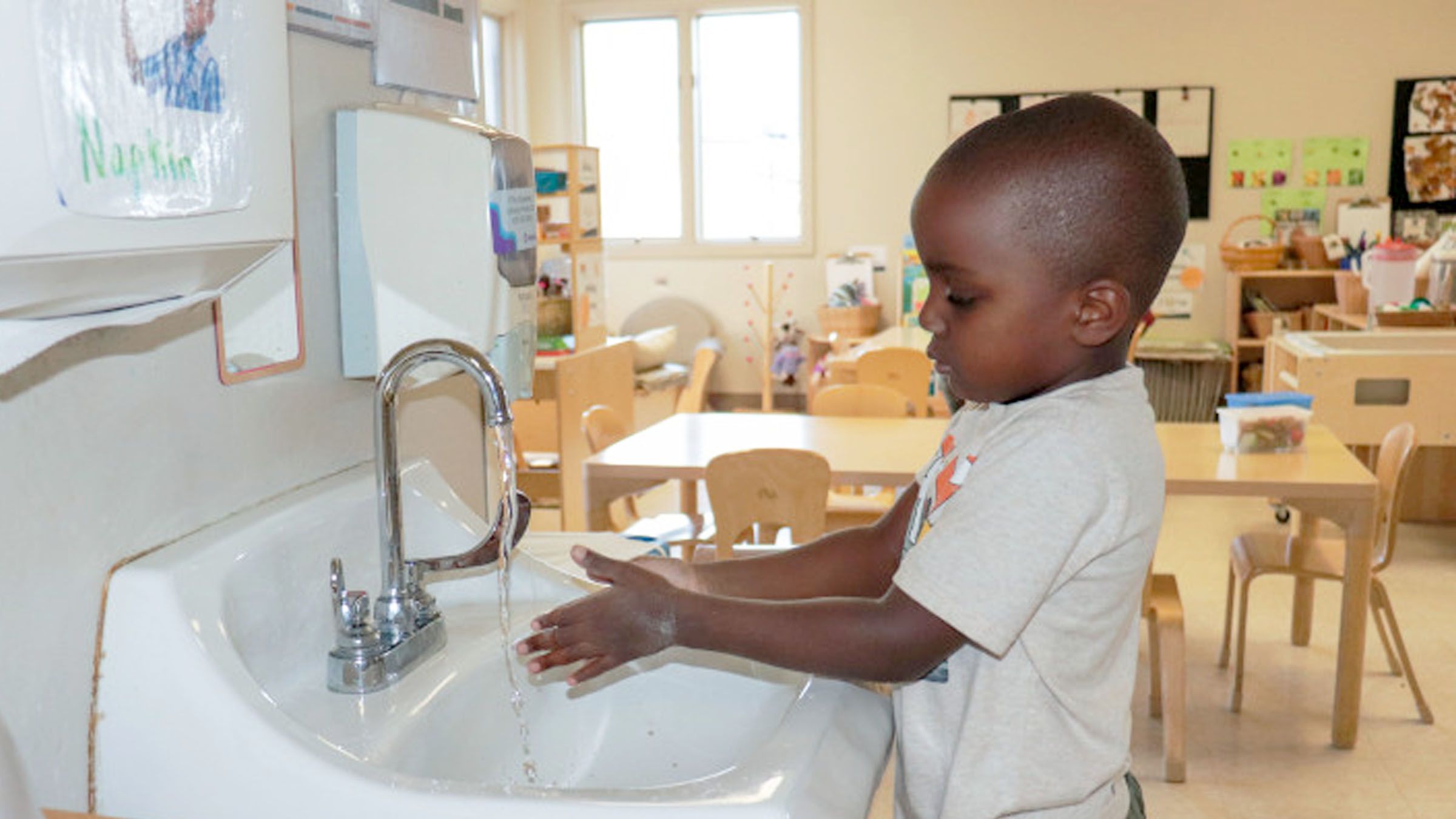
Your child’s safety and wellness is our top priority. We continue to monitor state and local public health guidelines, look to our medical expert, and use our considerable experience to guide our health and safety practices. Our centers take important steps to ensure the very best for every child, and the Health and Wellness portion of our World at Their Fingertips® curriculum incorporates lessons about these essential topics into every classroom, every day.
Our NAEYC Accreditation
Bright Horizons is committed to 100% NAEYC (National Association for the Education of Young Children) accreditation for all of our eligible child care centers and preschools.
Why NAEYC? Based on a multi-step process of continuous evaluation and improvement, NAEYC accreditation is the most comprehensive in the field, ensuring that our programs are informed by research and demonstrate high-quality standards.
NAEYC accreditation is our commitment to families. It is one way we provide the very best care and education for young children. Bright Horizons goes beyond what a traditional daycare would offer in order to establish a strong foundation for success in school and life.


Frequently Asked Questions
While terms may vary, the core mission of transitional kindergarten and pre-k is the same: preparing children for kindergarten.
Here’s a quick breakdown:
- Preschool serves younger children (typically ages 2–4) and focuses on foundational learning through play.
- Transitional kindergarten and pre-k / kindergarten prep are more structured programs tailored to children who are nearing kindergarten age.
- Public transitional kindergarten programs may follow modified kindergarten standards and are typically state funded.
- Bright Horizons’ kindergarten prep follows a research-based, age-appropriate curriculum that mirrors the developmental goals of transitional kindergarten — with added flexibility and individualized attention.
In a transitional kindergarten setting, your children enjoy a more structured curriculum than pre-k. This includes incorporating a modified kindergarten curriculum that develops early literacy, math, executive function, and social-emotional skills, such as following directions and taking turns.
Please email missionbay@brighthorizons.com and request one.
We encourage any family interested in center information, regular updates and invitations to the many events we are planning, to contact us.
Yes! Prospective parents can schedule a center visit by completing our Tuitions and Openings form from our center website.
During your search for the perfect child care partner, this is among the most important questions you can ask. For over 30 years, we’ve been a company that is guided by our HEART Principles and an unerring belief in putting children first.
At Bright Horizons, we know that childhood is a treasured time. We believe it is our responsibility to provide environments and experiences that capture the joys of childhood, nurture each child’s individual growth and development, and pave the way for success in school and life. We promise to:
- Nurture and care for the whole child
- Craft and integrated curriculum based on expert research
- Support and develop each teacher
- Implement an emergent, inquiry-based approach to learning
- Cultivate curiosity and creativity through projects, exploration, and play
- Encourage children to be confident experimenters and problem solvers
- Build an inclusive and respectful community
- Create joyful places for childhood
Already Enrolled with UCSF at Mission Bay Child Development Center?
Explore your parent resources. From school readiness to managing your family information.




What is the Family Information Center?
This site is a secure space for currently enrolled families to manage and view important information about their family's account. Sign in to see more!