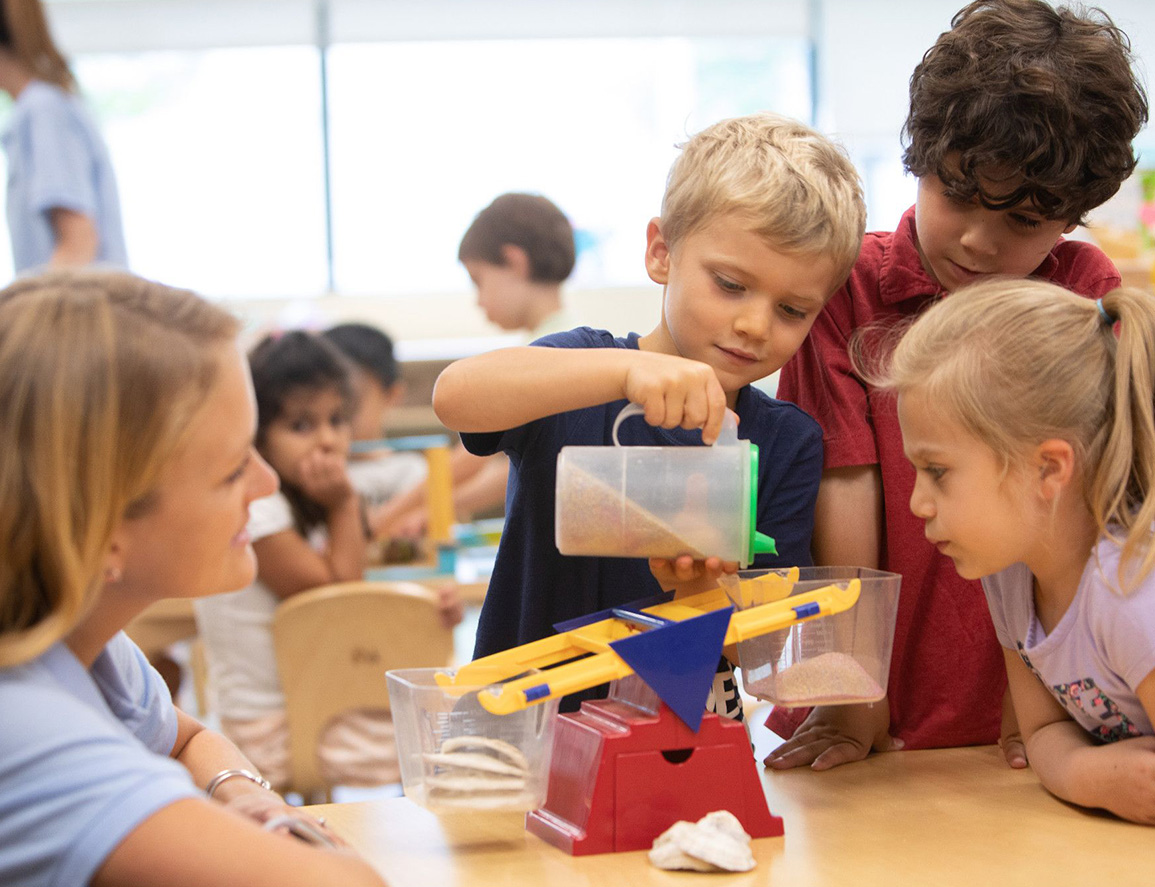
A daycare should have a coordinated process for documenting each child’s food allergies, sharing an individualized emergency care plan with the appropriate staff, reducing allergen exposure and cross-contact, reviewing ingredients, labeling food and drink items, storing prescribed medication appropriately, training staff to recognize and respond to reactions, and communicating with families. Ask the program to explain how these steps work during regular meals, snacks, classroom activities, celebrations, field trips, and staff changes.
For families managing food allergies, everyday moments such as snack time, birthday celebrations, classroom activities, and packed lunches require careful planning.
At home, managing food allergies is often a matter of reading labels, monitoring ingredients, and knowing exactly what foods are being served. But when a child starts daycare, that monitoring becomes trust.
Food allergies are increasingly common among children. According to the American Academy of Pediatrics (AAP), food allergies affect millions of children and require ongoing communication, allergen awareness, preparation, and emergency planning. While no child care environment can eliminate every risk, understanding recommended food allergy safety practices can help parents evaluate whether a daycare program is prepared to support their child's health needs.
What is a food allergy?
A food allergy occurs when the immune system mistakenly identifies a food as harmful and triggers an allergic reaction. Reactions can range from mild symptoms, such as itching, hives, or stomach discomfort, to severe reactions that require immediate medical attention.
According to the AAP, food allergies are among the most common chronic health conditions affecting children, making allergy awareness an important part of everyday health and safety practices in child care settings.
Some of the most common food allergens include:
- Milk
- Eggs
- Peanuts
- Tree nuts
- Soy
- Wheat
- Fish
- Shellfish
- Sesame
Because allergic reactions can occur quickly and sometimes unexpectedly, many parents want to understand how allergy awareness at daycare is incorporated into daily routines, classroom activities, meals, and special events.
What information should families share with a daycare?
The AAP emphasizes that successful allergy management depends on clear communication among families, healthcare providers, and caregivers. Providing complete and up-to-date information helps everyone involved understand a child's needs and respond appropriately if concerns arise.
When enrolling a child with food allergies, parents should be prepared to share:
- A list of known food allergies
- Documentation from a healthcare provider, if required
- Common symptoms of an allergic reaction
- Emergency contact information
- Instructions for emergency medication
- Dietary restrictions and food substitutions
- Updates regarding new allergies or changing medical needs
What is a food allergy emergency care plan?
A food allergy and anaphylaxis emergency care plan is a written document that outlines a child's allergies, symptoms of a reaction, emergency contacts, prescribed medications, and steps to take during an allergic reaction.
When evaluating food allergies at daycare, questions to consider are:
- Does the program keep allergy action plans on file?
- How are action plans communicated to caregivers?
- How often are plans reviewed and updated?
- How are medication requirements documented?
- How are changes communicated to staff?
A clear allergy action plan can help ensure that everyone responsible for a child's care understands their needs and knows how to respond in an emergency.
How do child care programs help reduce allergen exposure?
Preventing allergen exposure begins long before children sit down to eat. The AAP recommends creating consistent procedures that help reduce opportunities for accidental exposure throughout the day.
Parents evaluating child care options may want to ask about:
- Ingredient labeling procedures
- Meal and snack preparation practices
- Food storage procedures
- Cleaning and sanitizing routines
- Classroom policies regarding shared foods
- Communication practices between families and caregivers
A coordinated approach can help reduce opportunities for accidental exposure and support overall allergy management at daycare.
What is cross-contamination, and why is it important?
Cross-contamination happens when an allergen is unintentionally transferred from one surface, food, utensil, or person to another.
Examples may include:
- Shared serving utensils
- Food preparation surfaces
- Tables and countertops
- Shared containers or packaging
- Hands that have handled allergen-containing foods
Because even small amounts of an allergen can trigger reactions in some children, preventing cross-contamination is an important part of food allergy safety.
When touring programs, parents may want to ask how staff clean eating areas, prepare food, and help reduce opportunities for allergens to spread between foods and surfaces.
How are meals and snacks managed for children with food allergies?
Meals and snacks are often a primary concern for families managing food allergies.
Programs should be able to clearly explain how allergy information is documented and shared with the individuals responsible for serving food. They should also have established processes for reviewing ingredients, preventing cross-contact, and accommodating dietary restrictions whenever possible.
Should daycare staff be prepared to respond to allergic reactions?
Yes. Emergency preparedness is an important part of managing food allergies at daycare.
The AAP recommends that caregivers who work with children with food allergies understand how to recognize signs of an allergic reaction and follow established emergency procedures. Parents may also want to ask what allergy-related training staff receive and how often response procedures are reviewed.
What questions should parents ask about food allergies at daycare?
When evaluating child care programs, asking the right questions can help you better understand their approach to allergy awareness at daycare and food allergy safety.
Food allergy safety questions parents should ask:
- How are food allergies documented?
- How is allergy information communicated to caregivers?
- How are meals and snacks managed for children with allergies?
- How are ingredients reviewed and labeled?
- What procedures help reduce allergen exposure?
- How does the program address cross-contamination?
- Are staff trained to recognize allergic reactions?
- How are emergency medications handled?
- How are families informed about allergy-related incidents or concerns?
The answers can provide valuable insight into whether a program is prepared to support children with food allergies safely and consistently.
What should parents remember about food allergies at daycare?
Managing food allergies requires a coordinated approach that includes allergen awareness, clear communication, safe food handling practices, cross-contamination prevention, and emergency preparedness.
Children with food allergies should be able to participate in everyday activities, from meals and celebrations to learning experiences and play, while having their health needs thoughtfully supported. Whether a child is at home, at daycare, or with another caregiver, consistency matters.
As food allergies become increasingly common, parents can benefit from understanding recommended safety practices, asking questions, and learning how programs approach allergy management. Understanding food allergy safety and allergy awareness at daycare can help families make informed decisions and feel confident that their child is in a safe, supportive environment.
Looking for child care you can trust?
- Use our Center Finder to locate a Bright Horizons® center near you
- Learn more about daycare safety