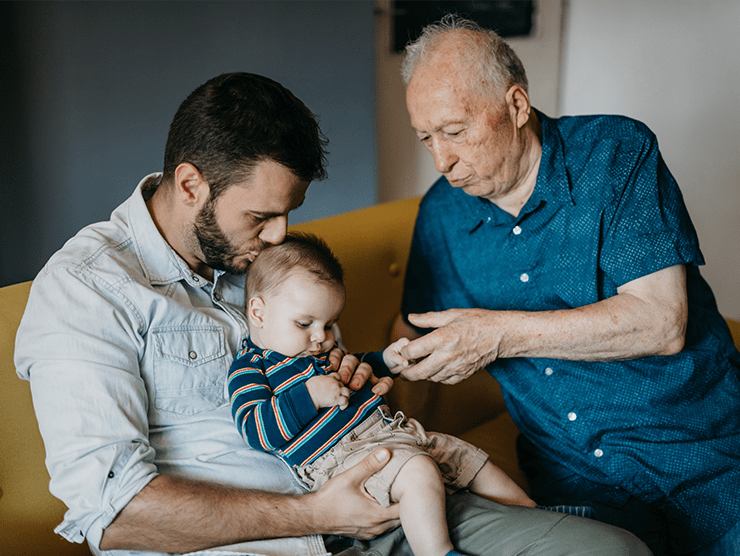
Benefits leaders are under growing pressure to support employee well-being to maintain performance, retention, and daily operations. With nearly one in four adults providing complex family care with little to no formal training, employees across life stages are balancing work alongside caregiving — from young children to aging parents. As a result, 82% of benefits leaders consider caregiving benefits a must-have in today’s workplace.
New insights from a Bright Horizons Workforce Consulting survey show how organizations are investing in caregiving programs that support both workforce sustainability and business continuity. Here are the key findings.
Benefits leaders see caregiving support as a must-have
Caregiving benefits are no longer supplemental. They deliver the measurable outcomes that matter most to HR and business leaders, making them a core part of a competitive, resilient benefits strategy.
Benefits leaders agree that caregiving support is now a foundational aspect of:
1. Attraction, retention, and continuity
90% of benefits leaders report that caregiving programs help attract talent, and 83% say they reduce turnover.
Why it matters: In a competitive talent market, caregiving support strengthens hiring outcomes and helps organizations hold onto experienced employees. Fewer departures mean lower replacement and onboarding costs — and greater workforce stability when life events inevitably arise.
2. Fewer disruptions, stronger operations
79% of leaders say that caregiving benefits reduce leaves of absence, and 76% report lower absenteeism.
Why it matters: Reliable caregiving support helps minimize unexpected disruptions. That consistency is critical for frontline roles that require dependable coverage and for knowledge workers whose productivity depends on sustained focus and continuity.
3. Focus and well-being
92% of benefits leaders say caregiving benefits support employees’ mental health.
Why it matters: When caregiving stress is reduced, employees are better able to stay engaged and perform consistently. Supporting mental well-being isn’t just good for employees; it directly impacts energy, resilience, and long-term performance.
4. Employee career growth and progression
84% of benefits leaders report that caregiving benefits enable employees to continue progressing in their careers.
Why it matters: Without support, caregiving demands often force employees to pause or step back. Caregiving benefits help protect career momentum, strengthen internal talent pipelines, and retain high-value employees through every life stage.
Investment is accelerating and becoming more intentional
Organizations are seeing clear gains in well-being, retention, and stability from more comprehensive family care support — and they’re leaning in: Eight in 10 benefits decision makers plan to deepen their investment in caregiving benefits moving forward.
What's driving smarter benefits decisions?
Employee input is leading the way. 52% of benefits leaders say employee demand and feedback are most influential in shaping their caregiving benefits decisions, followed by evidence showing these offerings improve well-being and reduce turnover.
By combining employee feedback with measurable outcomes, organizations are creating benefits strategies that truly meet workforce needs and deliver lasting impact.
Caregiving spans every generation, and benefits are evolving to match
Caregiving responsibilities change at every stage of life, and one-size-fits-all benefits no longer meet the needs of a multigenerational workforce. More than two-thirds of benefits leaders say organizations are adding senior care and child care, and that benefits should be offered for school-age children.
A range of caregiving benefits that reflect the realities of modern life help employees manage responsibilities at home while staying focused and productive at work.
Turning insights into caregiving benefits that deliver impact
Benefits leaders agree: caregiving benefits are essential for both employees and business performance today. By combining employee insights with data-driven strategies, organizations can create caregiving programs that reduce stress, boost retention, and keep operations running smoothly.
Bright Horizons partners with leaders to design and scale caregiving solutions that meet employees’ needs at every life stage
See how Family Care Solutions from Bright Horizons can elevate your benefits portfolio and support your business goals.