
Sustainability
As educators of the next generation, we understand the importance of working to build a more just and sustainable world. We seek to conduct business in an environmentally sustainable manner and to be responsible corporate citizens. We aim to integrate sustainable policies and practices into our operations and encourage our employees and suppliers to be conscious of our collective environmental footprint and impact. We look to help reduce or minimize our environmental impact and work towards a greener and more sustainable future through initiatives with clients and suppliers. By taking measurable actions, collaborating with partners and empowering our teams, we aim to help create a lasting impact for our planet, our people, and our business.

Greenhouse Gas Emissions
We measure the GHG emissions of our global footprint following the Greenhouse Gas Protocol. Our business model includes centers that are owned by Bright Horizons, leased to Bright Horizons, and owned or leased by our clients. We define our operational boundary to include all these facilities within our Scope 1 and 2 GHG emissions to take accountability for those emissions and work towards reductions across our portfolio.
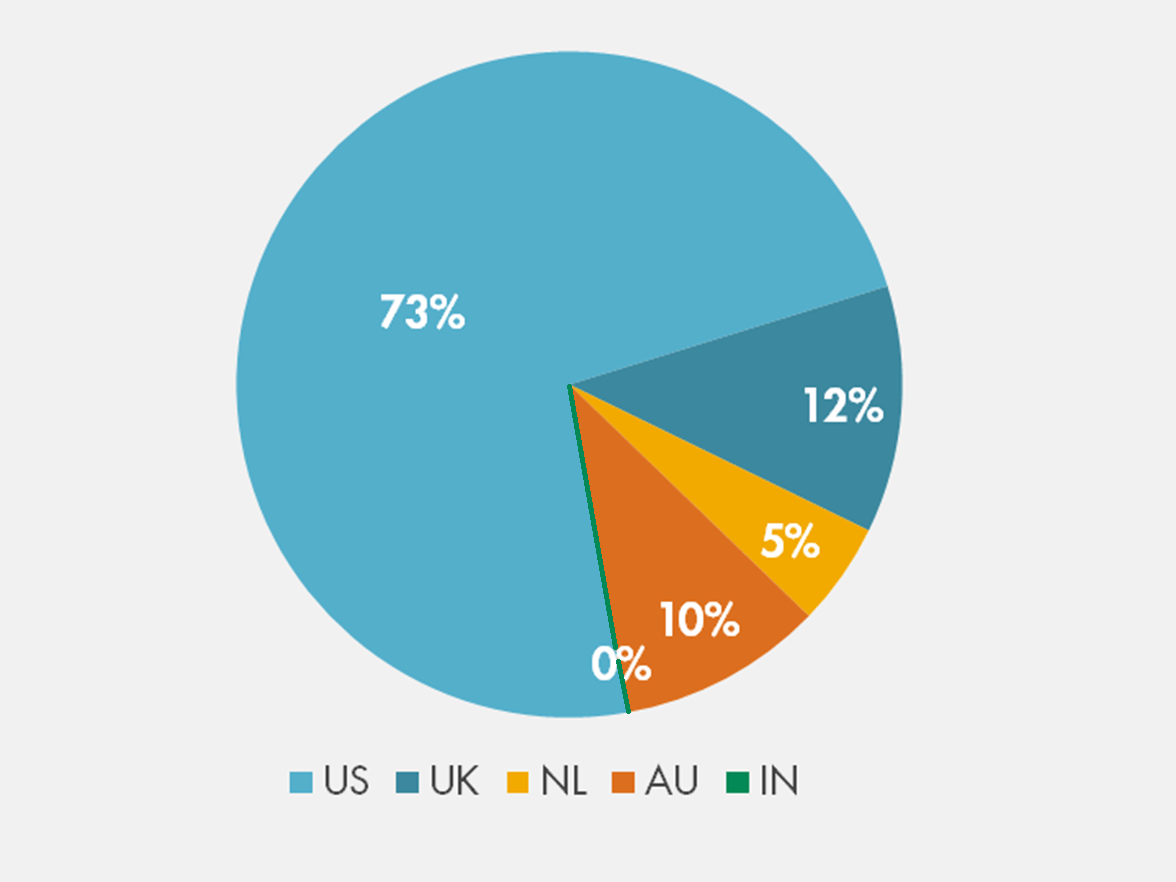
Percentage of Total Scope 1 + 2 GHG Emissions (location-based) by Country
In 2025, we received limited assurance of our Scope 1 & 2 GHG emissions.
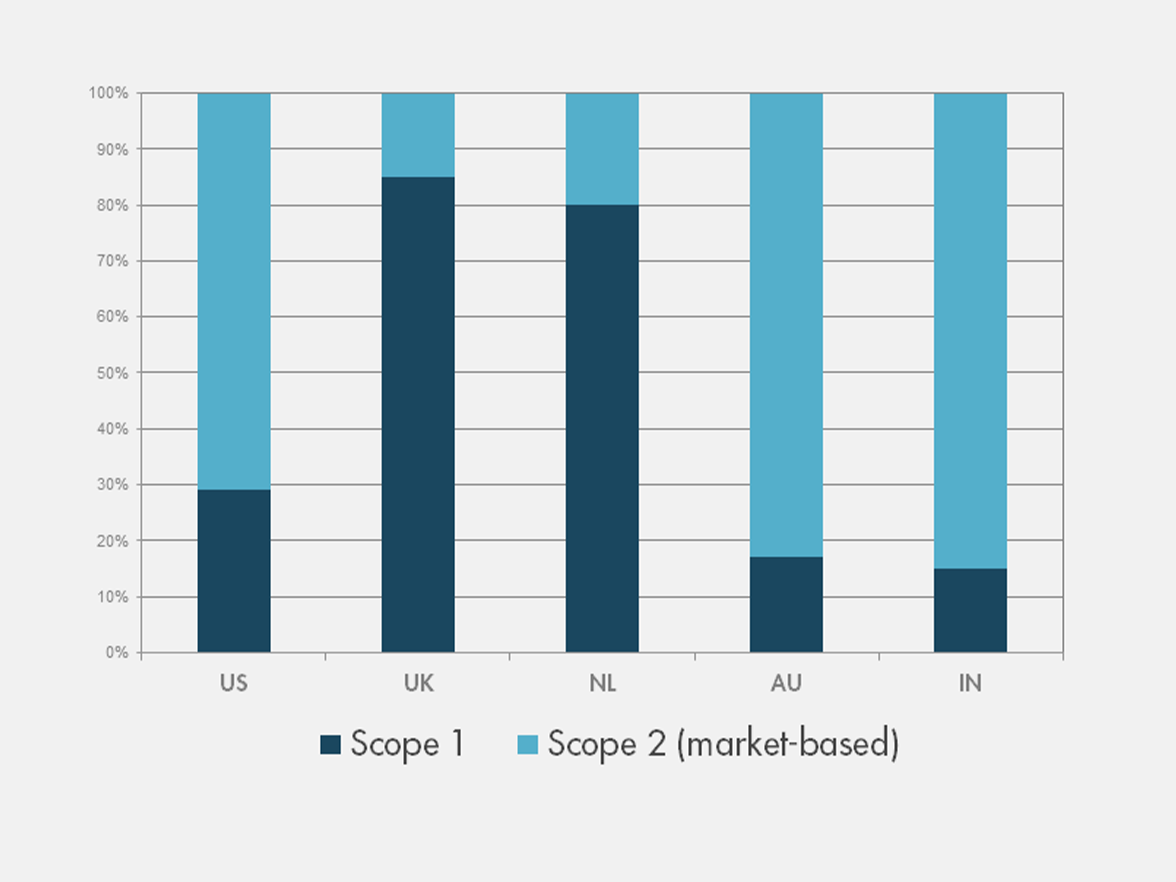
Percentage of Scope 1 + 2 GHG Emissions (market-based) by Country
Learn more
To learn more about our climate efforts and performance, see our 2025 CDP response.
Find out more about our climate efforts in the UK.
