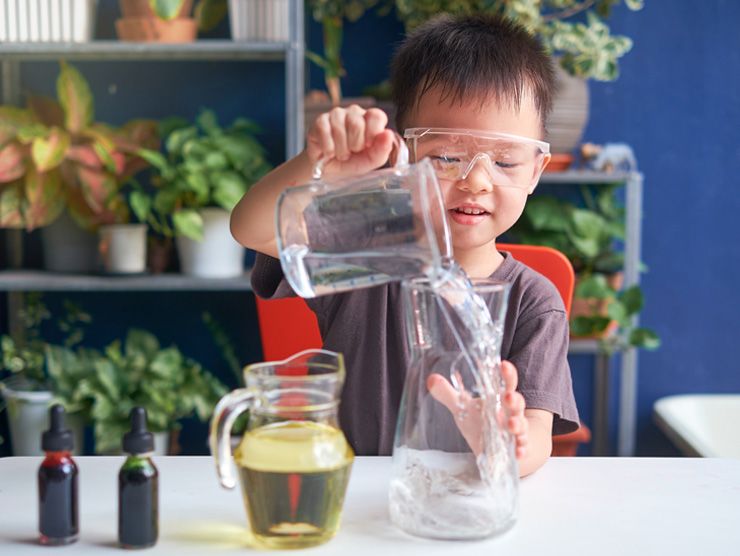
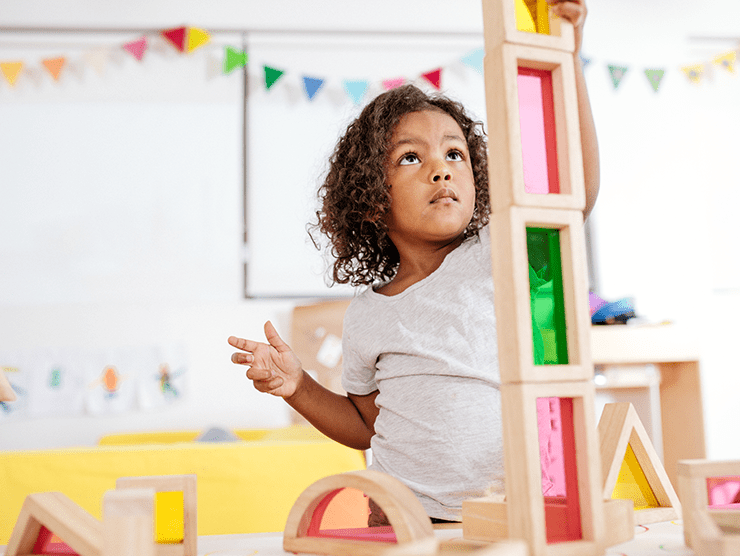
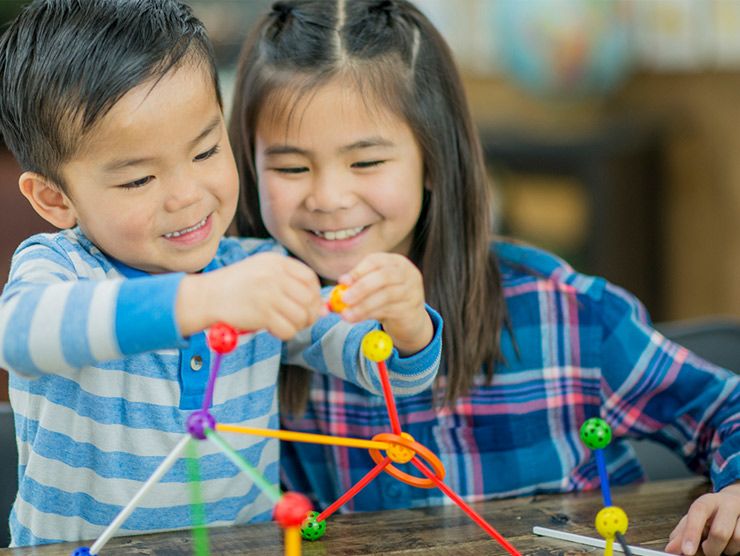
What does it mean for a child to think like a scientist?
From the moment children reach for a toy, watch a leaf fall, or ask “why?”, they are doing what scientists do best:
- Observing, exploring, and describing the world
- Comparing and categorizing objects, materials, and events
- Demonstrating an understanding of cause and effect
- Using reasoning and problem-solving skills
These abilities start developing from the earliest stages of life, and parents play a key role in nurturing them.
Children’s first experiences with science happen through daily life: noticing how animals move, how plants grow, how seasons change, and even how their own bodies work. Through hands-on experiments, children develop critical thinking, problem-solving, and creativity skills. Each stage offers unique opportunities to nurture curiosity and build skills that will help them think like scientists.
Let’s explore what children learn at each stage and share simple activities you can do at home to spark discovery and keep that curiosity alive.
Infants: turning everyday moments into learning
Babies are natural scientists, exploring the world through their senses. They notice similarities and differences and enjoy experimenting with cause and effect.
During this age, science may look like:
- Touching, shaking, or putting objects in their mouths
- Noticing bodily sensations like hunger or diapers being full
- Exploring cause and effect such as opening and shutting
For them, science is about capitalizing on their natural curiosity and joy.
How to support your infant’s science development at home
You don’t need fancy toys or complicated lessons to nurture an infant’s curiosity. With a few intentional activities and plenty of daily interactions, you can turn your home into a mini science lab where your baby’s natural wonder thrives.
Here are some activities to try with your baby:
- Treasure baskets. One of the easiest and most enriching ways to bring learning into your home is through treasure baskets. Simply fill a basket or container with safe items that offer a variety of textures, shapes, and colors for babies to explore.
- Tip: Change out the items in the baskets regularly to encourage continued exploration and discovery.
- Reading. During bedtime, feedings, or playtime, reading picture books about animals, people, and nature will engage your infant in early science concepts.
- Nature walks. You don’t need to go far to explore nature! Sometimes, the best discoveries are right outside your door. Take a walk down your street, visit a community park, or explore your own backyard to give infants regular experiences with nature.
- Practice cause and effect. Shaking a rattle to make noise or rolling a ball back and forth is an early lesson on action/reaction and learning trial and error.
Toddlers: simple ways to spark curiosity
Toddlers become scientists as they observe changes in their own bodies or the environment around them, such as noticing weather changes. Toddlers experiment with solutions or solve simple problems. For example, they might get a stool to reach a cup on the counter.
During the toddler years, science may look like:
- Exploring sand, grass, wind, or plants
- Noticing and expressing preferences for different foods
- Pouring water or pushing cars down a ramp
Toddlers’ growing motor and language skills allow them to more fully investigate the world. They turn over stones, ramble over obstacles, and ask questions using early language skills.
How to support your toddler's science development at home
At this stage, science learning happens through hands-on experiences that build early problem-solving skills and introduce basic concepts like cause and effect, patterns, and observation.
Try these activities with your toddler:
- Build a tower and knock it down. Use blocks, cups, or boxes to build a tower and see how tall you can make it before knocking it over. This teaches toddlers cause and effect.
- Ramp races. Build ramps with cardboard or books. Roll cars or balls and see which goes faster, slower, and farther.
- Cook together. Let your toddler help measure, mix and pour ingredients, or help them practice cutting with a plastic knife. Counting ingredients, comparing sizes of measuring cups, and making predictions about what to do next are all basic math and science skills.
Preschool: growing curious minds
Preschoolers have the ability to build on previous knowledge and experience. They can discern subtle similarities and differences like temperatures, sounds, or materials, and make simple scientific predictions based on observations. Preschoolers can identify problems and try to find solutions themselves.
During the preschool years, science may look like:
- Looking for insects on a walk
- Gathering seashells or other similar items
- Pouring water into dirt to make mud
How to support your preschooler's science development at home
Preschoolers are building on previous knowledge and experiences. They understand basic scientific concepts such as hot vs. cold and dark vs. light.
Try these science activities with your preschooler:
- Cloud in a jar. Fill a jar with warm water. Place a lid on the jar and add a few ice cubes to the lid. Watch as the clouds form inside the jar. This project is a fun way to introduce your child to meteorology.
- Playdough colors. Create different colors of playdough using food coloring. Mix the different colors together to create new colors, and discuss color theory and primary, secondary, and tertiary colors.
- Notice the natural world. During car rides to school or daily walks, point out and label different objects in nature. Follow up with “why” questions to model inquiry and wonder.
Pre-K: encouraging scientific thinking
- Observing, labeling, drawing, and sculpting things like animals and plants
- Understanding natural phenomenon such as the water cycle
- Using scientific tools to collect data or gain understanding
Pre-K children have the cognitive and verbal skills to make scientific connections based on previous experiences.
How to support your child's science development at home
Try these science activities with your pre-k child:
- Dancing raisins. Fill a glass of clear soda, drop in a few raisins, and watch as they bounce up and down due to carbonation.
- Baking. Making easy recipes can all teach science concepts in a fun way. Spread out materials on a clean surface, and encourage your child to visualize the entire project, from start to finish.
- Shadow drawing. On sunny days, trace your child’s shadow on the ground and watch how it changes throughout the day. It’s a simple, hands-on way to teach about light and time while being outside.
You can turn everyday moments into opportunities for early learning and exploration. By inviting simple exploration at home, you’re giving your child the tools to think critically, solve problems, and discover the world with wonder.
Find a center now to discover how Bright Horizons can partner with your family to nurture curious minds and make science part of your daily routine.