At Bright Horizons, kindergarten readiness includes teaching social-emotional skills, critical thinking and problem solving, innovation and creative thinking, and encouraging a positive disposition for learning. From the start, in our infant, toddler, and preschool, and kindergarten prep programs, we make sure learning is fun and exciting by pursuing children’s interests and building learning into everyday experiences. We help children believe in their personal abilities and skills, empowering them to grow into confident, successful, lifelong learners.
Bright Horizons incorporates the following characteristics to create a high-quality early childhood program that focuses on school readiness:
- Opportunities for meaningful play, project work, experimentation, and discovery. Children must understand not only what to learn but also how to learn. We want children to observe; ask questions; notice similarities, differences, and patterns; and solve problems, all aspects of critical thinking.
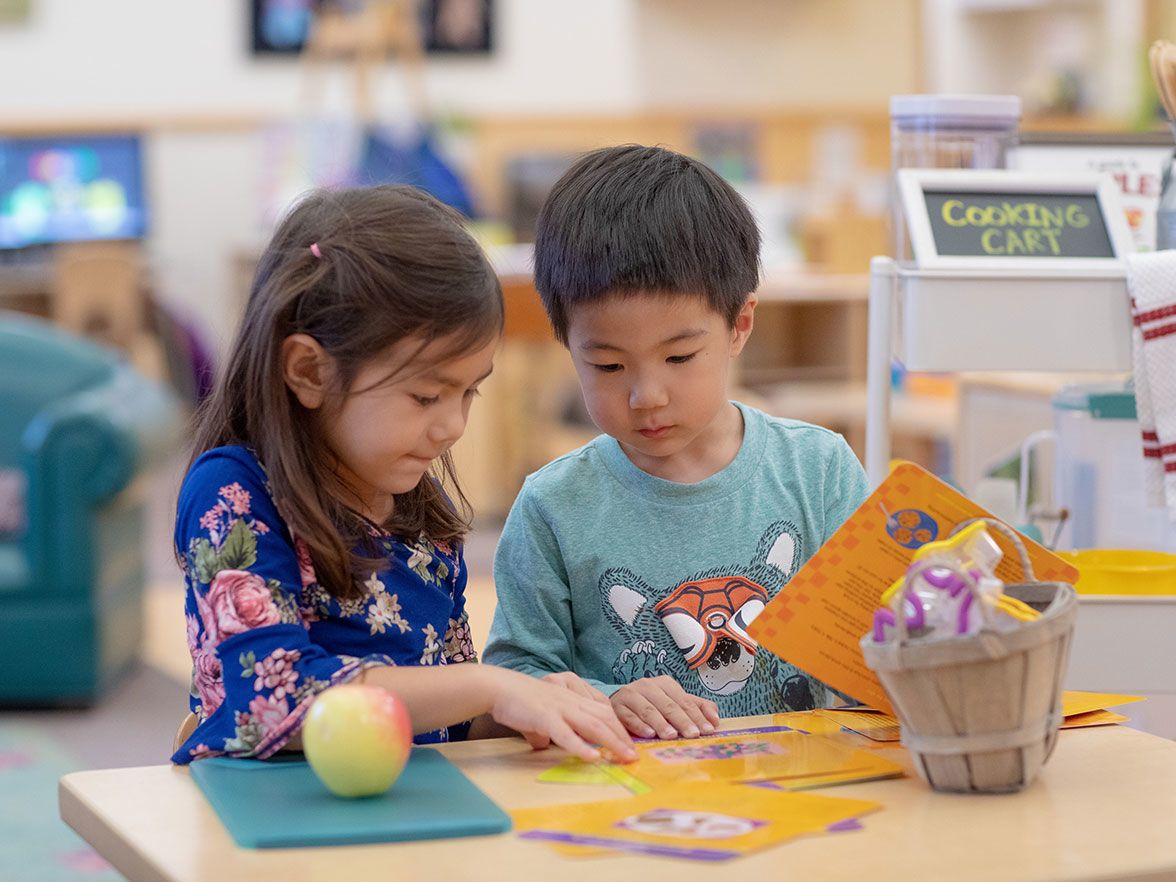
- Math, literacy, and science interwoven throughout the day, rather than in isolation (worksheets and flash cards). For example, while planting a garden in a center or classroom, the children read books about plants, make signs and notes, measure the garden area, learn about soil and composting, count out and plant seeds, and care for and harvest the garden. The learning is rich, immediate, and relevant, and tends to stick with children. Our classrooms have designated math, science, an writing centers open to children each day.
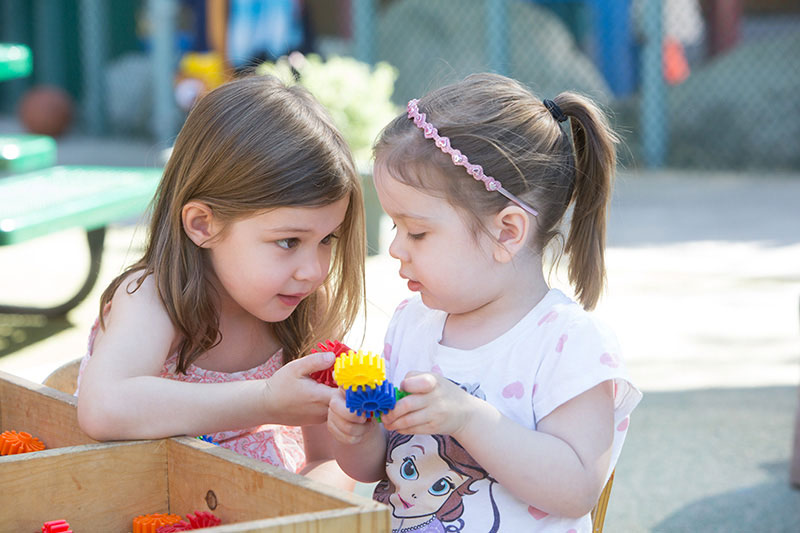
- An emphasis on trusting relationships and caring social interactions.Social-emotional development is the foundation for all other learning and must be a priority. Teachers understand that young children are still learning and will make mistakes. Children are gently guided and encouraged as they gain confidence and learn to collaborate, communicate, and resolve conflict with each other.
- Well-rounded literacy activities. In addition to learning the letters of the alphabet, children must develop vocabulary, listen and communicate effectively, and view reading and writing as pleasurable and important ways to share ideas and gain knowledge. Children gain literacy skills by listening to and reading stories, having meaningful conversations, writing notes, graphs, and stories, and conducting research for projects.
- Open-ended art, storytelling, poetry, dramatic play, music, and experiences in nature. Children often use these experiences to access other kinds of information and learning; additionally, they build creativity and critical thinking as they participate in the arts and nature. The natural world is a laboratory that encourages risk, critical thinking, observation, imagination, and creative innovation.
As we prepare children to be ready for their journey from child care into school programs, we focus equally on all aspects of development — cognitive, physical, and social-emotional. We know that this approach gives children their best chance for healthy, happy, successful lives.